Cosmetic dentistry is frequently described as an aesthetic-focused form of dentistry. However, cosmetic dentistry can improve more than just your appearance, because it can also support:
- Better bite and chewing function
- Better speech and vocal clarity
- Better enamel and tooth structure integrity
- Better pain management (jaw-related joint and muscle pain, as well as tooth sensitivity)
- Better gum health
- Better nutrition
- Better overall health
In many ways, investing in cosmetic dentistry means investing in more than appearance. It’s also an investment in your long-term health and comfort.
How Does Cosmetic Dentistry Help with Speech, Bite and Other Oral Functions?
Cosmetic dentistry refers to an array of dental procedures, from simple teeth whitening to veneers to full restorations involving crown replacements, and more. There is more at stake than just your appearance, and cosmetic dentistry can help with the following:
- Better bite and chewing function – Several cosmetic dentistry procedures are focused on improving the appearance and function of your teeth’s biting surfaces. This includes replacing crowns and placing onlays, as well as correcting misaligned or damaged teeth. These restorations make it easier for patients to bite and chew properly, which improves comfort and nutritional intake.
- Better speech and vocal clarity – Gaps between teeth and misaligned teeth may cause air to pass through the oral cavity in ways that cause lisping, unintentional whistling or other verbal issues. Cosmetic dentistry can correct these problems and restore clear speech in many patients.
- Better enamel and tooth structure integrity – Cosmetic restorations can protect vulnerable enamel from further damage. Veneers, for example, protect the enamel surface like a shell. Tooth bonding repairs cracks or chips that may expose the tooth’s deeper tissues. During crown replacement, decayed or damaged teeth are fitted with a stable replacement. In each case, cosmetic dentistry reduces the likelihood of additional wear and damage like tooth fracturing.
Further, cosmetic replacements ensure biting forces are properly distributed in the mouth. The jawbone is also better preserved, as missing teeth can result in bone resorption (loss of density).
- Better pain management – Poorly distributed bite and chewing forces may increase strain on the temporomandibular joint and on facial muscles. This can lead to ongoing TMJ pain, muscle strains and headaches. By improving biting and chewing, cosmetic dentistry can also improve the outlook for people suffering from TMJ disorders and migraines.
- Better gum health – Periodontal health may also decline in people dealing with dental issues described as “cosmetic.” For example, gaps in the teeth can cause food to become lodged and result in excessive plaque buildup. By closing these gaps and removing tooth decay, gum health can be protected from infection or inflammation.
- Better nutrition – By improving bite and chewing function, cosmetic dentistry can also help patients better digest food. Digestion begins in the mouth, and by restoring poorly functioning teeth, it will be easier for patients to thoroughly (and comfortably) chew their food.
- Better overall health – Medical research has linked poor dental health with an increased risk of cardiovascular problems, diabetes and neurodegenerative conditions like Alzheimer’s disease and dementia. This is largely due to the increased presence of bacteria in the oral cavity and increased inflammation. Tooth decay and damage drive inflammation, and cosmetic dentistry can correct both through tooth and gum restoration.
- Better bite and chewing function – Several cosmetic dentistry procedures are focused on improving the appearance and function of your teeth’s biting surfaces. This includes replacing crowns and placing onlays, as well as correcting misaligned or damaged teeth. These restorations make it easier for patients to bite and chew properly, which improves comfort and nutritional intake.
How Can Cosmetic Dentistry Improve Your Smile’s Appearance?
Cosmetic dentistry provides several aesthetic benefits that can boost your confidence and even performance on the job, depending on your line of work. For some professionals, maintaining a healthy-looking smile is a necessary advantage.
Here’s how cosmetic dentistry can provide that advantage:
- Whitening your teeth – Teeth whitening procedures are quick, comfortable and can be performed until your teeth are exactly the shade you’re looking for. Teeth whitening won’t restore the structure of your teeth, but it can improve confidence and correct discoloration due to age, food stains or certain medical conditions.
- Repairing chips, cracks and other cosmetic damage – Cosmetic dentists can perform various restorative procedures that correct minor instances of damage. Small chips and cracks can be bonded with natural-looking composites. For more significant damage, cosmetic dentistry can replace compromised teeth with crowns, onlays, and inlays, all of which will improve your smile’s appearance.
- Restoring ideal crown size and shape – Some people are born with misshapen or misaligned teeth, and for some people, these issues develop due to damage or decay. In both cases, an undersized or overly worn tooth can stick out in an otherwise healthy-looking smile. Cosmetic dentists are experts at correcting these issues, whether it’s with a veneer, a replacement crown or another restorative procedure that corrects size, shape, color and alignment of the teeth.
- Restoring ideal gum appearance – Some patient’s issues aren’t with the teeth, but the gums. A gummy smile, for example, means the gums themselves are crowding out the teeth and showing too much when smiling. This can be due to anatomical issues with the jaw or face but is often caused by too much gum tissue. A cosmetic dentist can correct this through gum contouring (gingivectomy) and restore a better balance between the teeth and gums when smiling.
- Whitening your teeth – Teeth whitening procedures are quick, comfortable and can be performed until your teeth are exactly the shade you’re looking for. Teeth whitening won’t restore the structure of your teeth, but it can improve confidence and correct discoloration due to age, food stains or certain medical conditions.
Cosmetic Dentistry Can Improve Your Appearance and Your Dental Health
Although cosmetic dentists may be associated with teeth whitening, crown replacement and other aesthetic-first procedures, they are also an important partner in your overall oral health. Medical science demonstrates that oral health is a major part of whole-body health, and by correcting alignment, tooth damage and decay, cosmetic dentists are providing a better foundation for long-term oral health and ensuring their patients don’t suffer from ongoing or worsening dental issues.

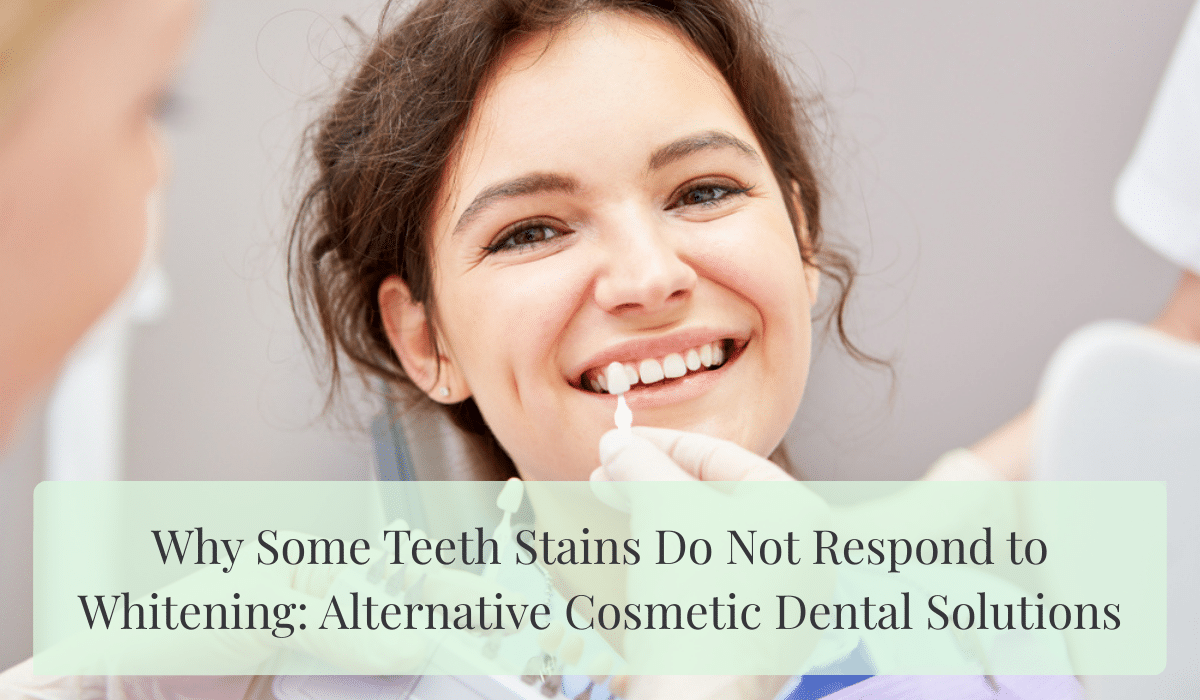
- Why Some Teeth Stains Do Not Respond to Whitening: Alternative Cosmetic Dental Solutions - March 9, 2026
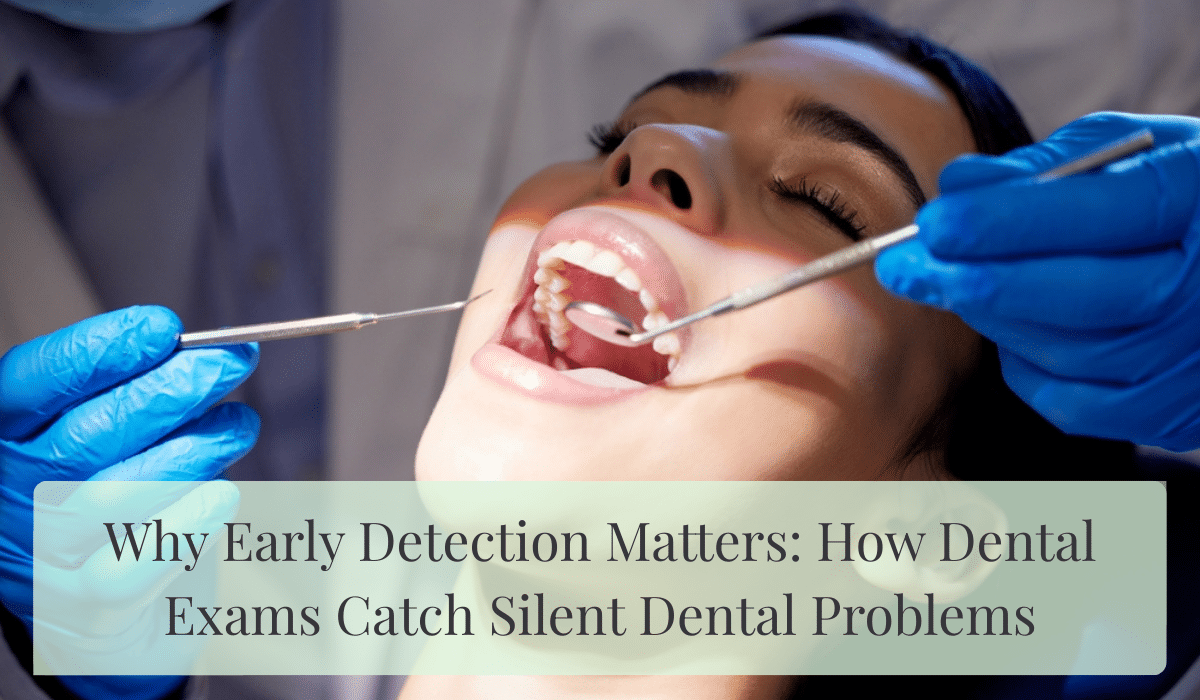
- Why Early Detection Matters: How Dental Exams Catch Silent Dental Problems - February 11, 2026
- How Can Cosmetic Dentistry Improve More Than Just Your Appearance? - December 5, 2025